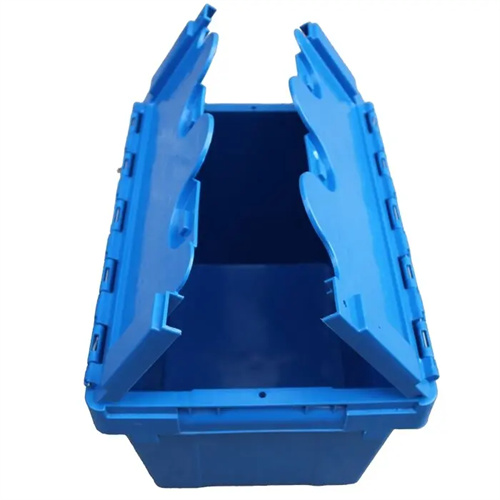
Reasons for installing exhaust system in injection mold
Installing an exhaust system in an injection mold is a necessary measure to ensure product quality and smooth molding. Its core function is to exhaust the air in the cavity and the volatiles generated by the plastic melt. If the exhaust is poor, it will lead to a series of quality defects and even affect production efficiency. The air in the cavity mainly comes from the initial air in the mold cavity and the air drawn in during the flow of the melt. When the melt fills the cavity, this air is compressed. If it cannot be discharged, it will generate a huge air pressure (up to tens of MPa), which will hinder the normal filling of the melt and cause the product to be short-shot. For example, when molding products with deep cavities or complex structures, air is trapped in the dead corners of the cavity. The melt cannot overcome the air pressure and continue to fill, resulting in an underfill defect. At this time, the air must be released through the exhaust system to ensure that the cavity is completely filled.
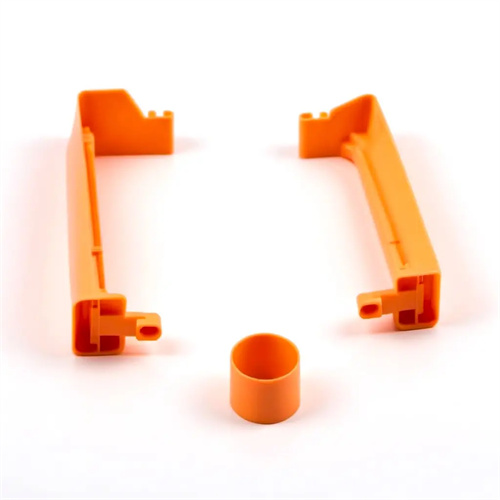
Poor venting can cause cosmetic defects such as scorching and silver streaks on finished products. Compressed air under high pressure rapidly heats up (reaching over 300°C), exceeding the thermal decomposition temperature of the plastic. This causes localized plastic degradation and carbonization, resulting in scorch marks. These scorch marks often occur at the final locations where the air is exhausted, such as at the edges and corners of the product. This not only affects the appearance but also reduces the mechanical properties. Furthermore, the gases produced by the pyrolysis mix with the air, forming silver streaks (“streaks”) on the surface of the melt. These streaks are particularly noticeable in transparent products, severely impacting the product’s market competitiveness. For example, if venting is poor on transparent PC parts, dense silver streaks will appear on the surface, reducing light transmittance and making them unsuitable for use.
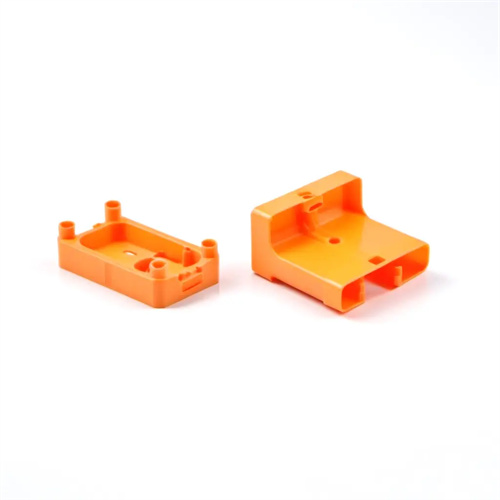
The exhaust system can reduce melt filling resistance, improve flow properties, and enhance the dimensional accuracy of the product. When air is successfully exhausted from the cavity, the melt flows smoothly, and the filling and holding pressures are effectively transmitted to all parts of the cavity, ensuring uniform density across the product and reducing shrinkage and warping. Conversely, poor exhaust can force the melt to fill under high pressure, leading to excessive local pressure and increased stress within the product, which can easily cause warping or cracking after cooling. For example, if large flat products are not properly vented, internal stress will be generated at the edges due to excessive pressure, causing them to bend to one side after demolding, affecting assembly accuracy. Reducing filling resistance through the exhaust system can also reduce injection and holding pressures, lowering energy consumption and the stress load on the mold, and extending the mold’s service life.
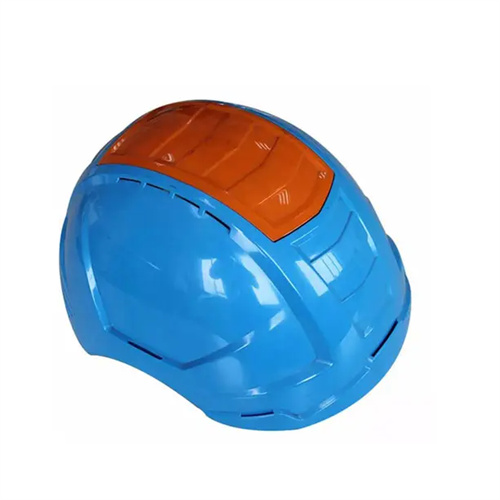
The exhaust system helps remove volatiles produced by the plastic melt during the molding process. Many plastics release volatile gases at high temperatures, such as HCl gas produced by the decomposition of PVC and water vapor released during PA processing. If these gases remain in the mold cavity, they can mix with the melt to form bubbles or corrode the mold surface, affecting product quality and mold life. The exhaust system promptly removes these volatiles from the cavity, preventing damage to the product and mold. For example, when processing PVC products, the exhaust system can remove HCl gas, preventing corrosion of the mold cavity surface and extending the mold’s lifespan. When processing hygroscopic plastics, the exhaust system can remove vapor produced by evaporating water, reducing the occurrence of silver streaks and bubbles.
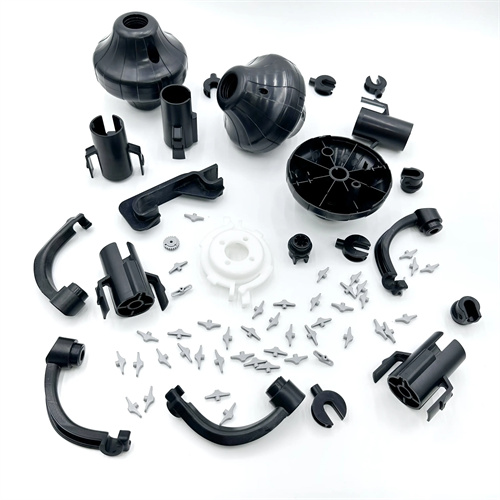
A reasonable exhaust system can improve molding efficiency and shorten the production cycle. When the exhaust is poor, in order to expel the air in the cavity, it is often necessary to reduce the injection speed or extend the holding time, which leads to a longer molding cycle. An effective exhaust system allows for a higher injection speed, allowing the melt to quickly fill the cavity, reducing the filling time, while avoiding repeated mold trials and adjustments due to exhaust problems, thereby improving production efficiency. For example, when mass-producing small products, an optimized exhaust system can shorten the molding cycle by 10-20%, significantly increasing production capacity. In addition, the exhaust system can also reduce the scrap rate of products caused by poor exhaust, reduce production costs, and improve the economic benefits of the enterprise. Therefore, setting up an exhaust system for injection molds is an important means to ensure product quality, improve production efficiency, and reduce costs, and must be given sufficient attention in mold design.